Understanding the Success Rates of Endoscopic Sleeve Gastroplasty


Introduction to Endoscopic Sleeve Gastroplasty
Endoscopic Sleeve Gastroplasty (ESG) is an innovative, minimally invasive procedure designed to assist in weight loss. Unlike traditional bariatric surgeries, ESG involves no incisions, significantly reducing recovery time. This procedure has gained popularity due to its effectiveness and safety profile.
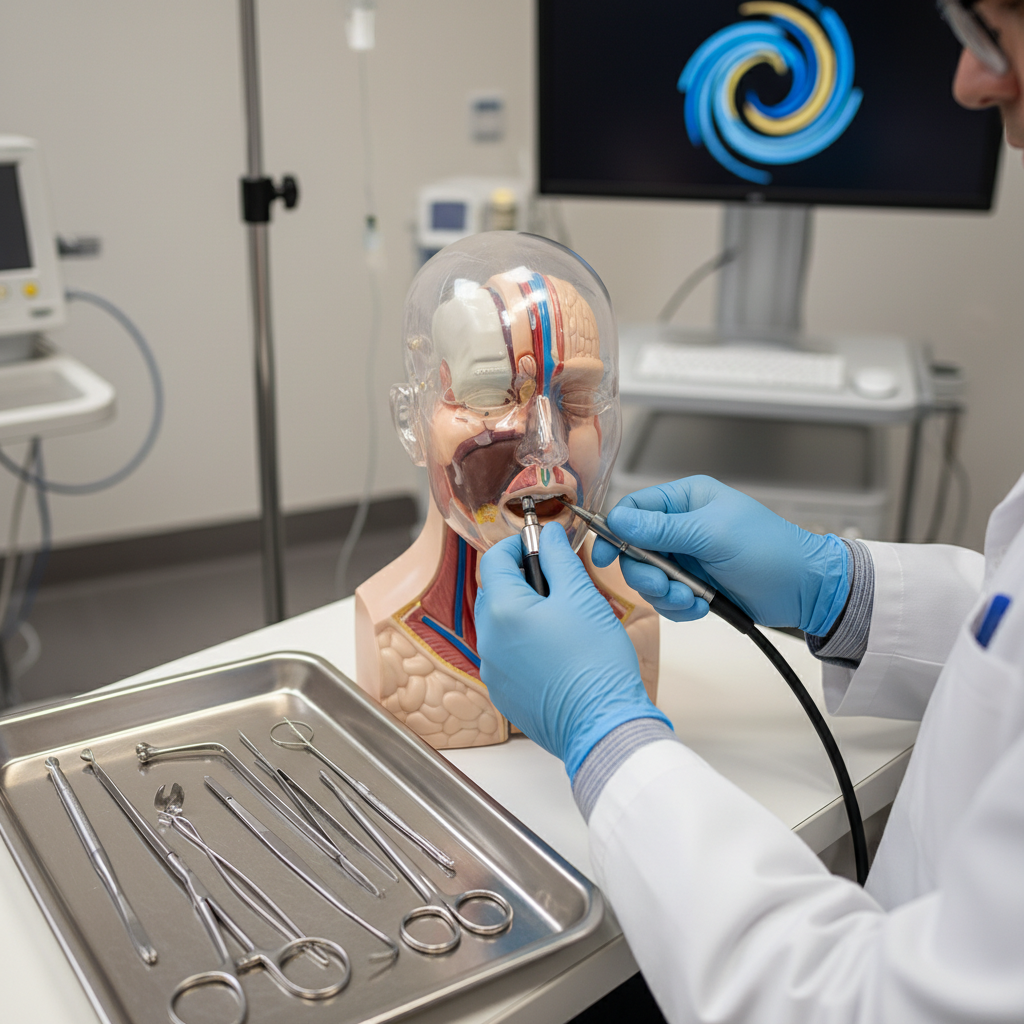
ESG works by using an endoscope inserted through the mouth to place sutures in the stomach, creating a sleeve-like structure. This results in a smaller stomach volume, helping patients feel full sooner and consume less food.
Understanding Success Rates
The success rates of ESG are often a key consideration for individuals exploring weight loss options. Generally, success is measured by the percentage of excess weight loss (%EWL) and improvements in obesity-related conditions such as diabetes and hypertension.
Studies indicate that patients typically achieve an average of 15-20% total body weight loss within a year post-procedure. This can vary based on factors such as adherence to dietary guidelines and lifestyle changes.
Factors Influencing Success
Several factors contribute to the success rates of ESG. Patient commitment to lifestyle changes is crucial. A well-structured diet and regular physical activity significantly enhance the outcomes. Additionally, support from healthcare providers plays a vital role in achieving long-term success.

Comparing ESG with Other Procedures
When compared to other weight loss surgeries like gastric bypass or sleeve gastrectomy, ESG offers a less invasive alternative with a quicker recovery period. Although the weight loss might be slightly less than more invasive procedures, the reduced risk of complications makes it an attractive option for many.
ESG is particularly suitable for individuals with a BMI between 30 and 40, who might not qualify for traditional bariatric surgeries. It serves as an effective tool for achieving significant weight loss with fewer risks.
Potential Risks and Considerations
While ESG is considered safe, it is not without risks. Possible complications include nausea, abdominal pain, and in rare cases, gastrointestinal perforation. It's vital for patients to discuss these risks with their healthcare provider to make an informed decision.

Long-Term Outcomes and Maintenance
Long-term success of ESG largely depends on a patient’s commitment to maintaining healthy lifestyle changes. Regular follow-ups with healthcare professionals can help monitor progress and address any concerns.
Studies have shown that patients who actively engage in support groups and counseling tend to have better long-term results. This support system can provide motivation and guidance throughout the weight loss journey.
Conclusion
Endoscopic Sleeve Gastroplasty offers a promising solution for those seeking a less invasive approach to weight loss. With its high success rates, minimal recovery time, and reduced risk of complications, it has become a popular choice for many.
As with any medical procedure, it's essential to weigh the benefits and risks, and consult with healthcare providers to determine the best course of action tailored to individual needs.