Understanding the Latest Trends in Non-Surgical Obesity Treatments


Introduction to Non-Surgical Obesity Treatments
In recent years, there has been a significant shift towards non-surgical obesity treatments. With the rise of innovative technologies and techniques, individuals seeking weight loss options now have a plethora of non-invasive choices. These treatments offer a promising alternative to traditional surgical methods, providing effective results with minimal downtime.

The Rise of Minimally Invasive Procedures
Minimally invasive procedures have gained popularity due to their reduced risk and quicker recovery times. Techniques such as endoscopic sleeve gastroplasty and intragastric balloon systems are becoming more prevalent. These methods aim to reduce stomach size or limit food intake without the need for surgical incisions.
Endoscopic procedures, in particular, are noteworthy for their effectiveness in achieving significant weight loss. By utilizing advanced endoscopic tools, these treatments reshape the stomach, offering a safer alternative to traditional surgery.
Advancements in Medication
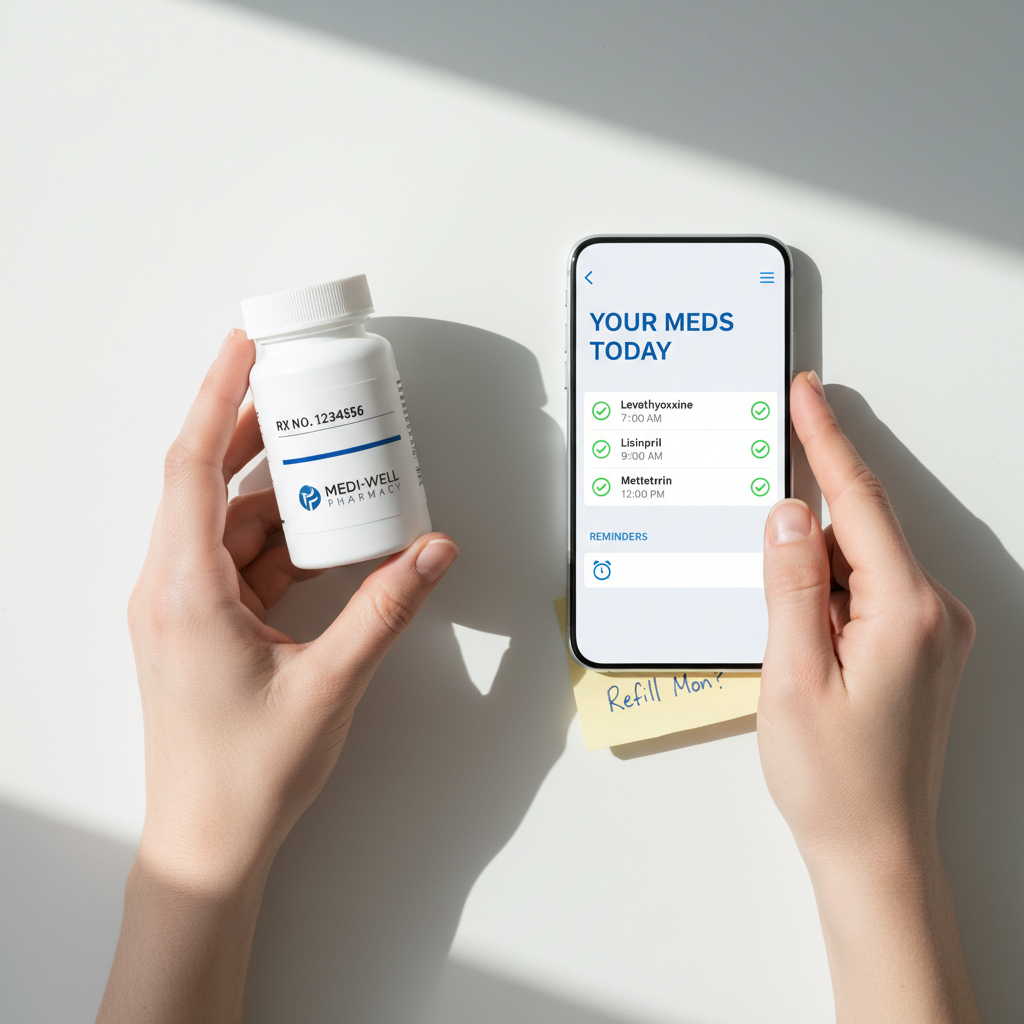
Alongside procedural innovations, there have been significant advancements in obesity medications. Newer drugs target appetite regulation and metabolic rate, providing a pharmacological approach to weight management. These medications can be particularly beneficial for individuals who are not suitable candidates for surgery or those looking for a less invasive option.
Importance of Lifestyle Modification
While non-surgical treatments are highly effective, lifestyle modifications remain a crucial component of any weight loss journey. Nutrition counseling, exercise programs, and behavioral therapy are essential for long-term success. These elements work synergistically with medical treatments to enhance and sustain weight loss results.
Healthcare providers emphasize the importance of a holistic approach, integrating both medical and lifestyle interventions to achieve optimal outcomes.
The Role of Technology
Technology plays a pivotal role in the advancement of non-surgical obesity treatments. From virtual consultations to personalized health tracking apps, technology enables patients to access treatments and support more conveniently. Wearable devices that monitor physical activity and dietary intake further empower individuals to take control of their health.

Conclusion
Understanding the latest trends in non-surgical obesity treatments is essential for individuals seeking effective weight loss solutions. With ongoing advancements in technology and medicine, non-invasive options continue to evolve, offering safer and more accessible alternatives to traditional surgery. As these treatments gain traction, they pave the way for a healthier future for many.