Myths and Facts About Bariatric Surgery Near the Bosphorus


Understanding Bariatric Surgery
Bariatric surgery is a life-changing procedure for those struggling with obesity. It involves altering the digestive system to help with weight loss. Despite its growing popularity, there are many myths surrounding this surgery, especially for those seeking options near the Bosphorus.
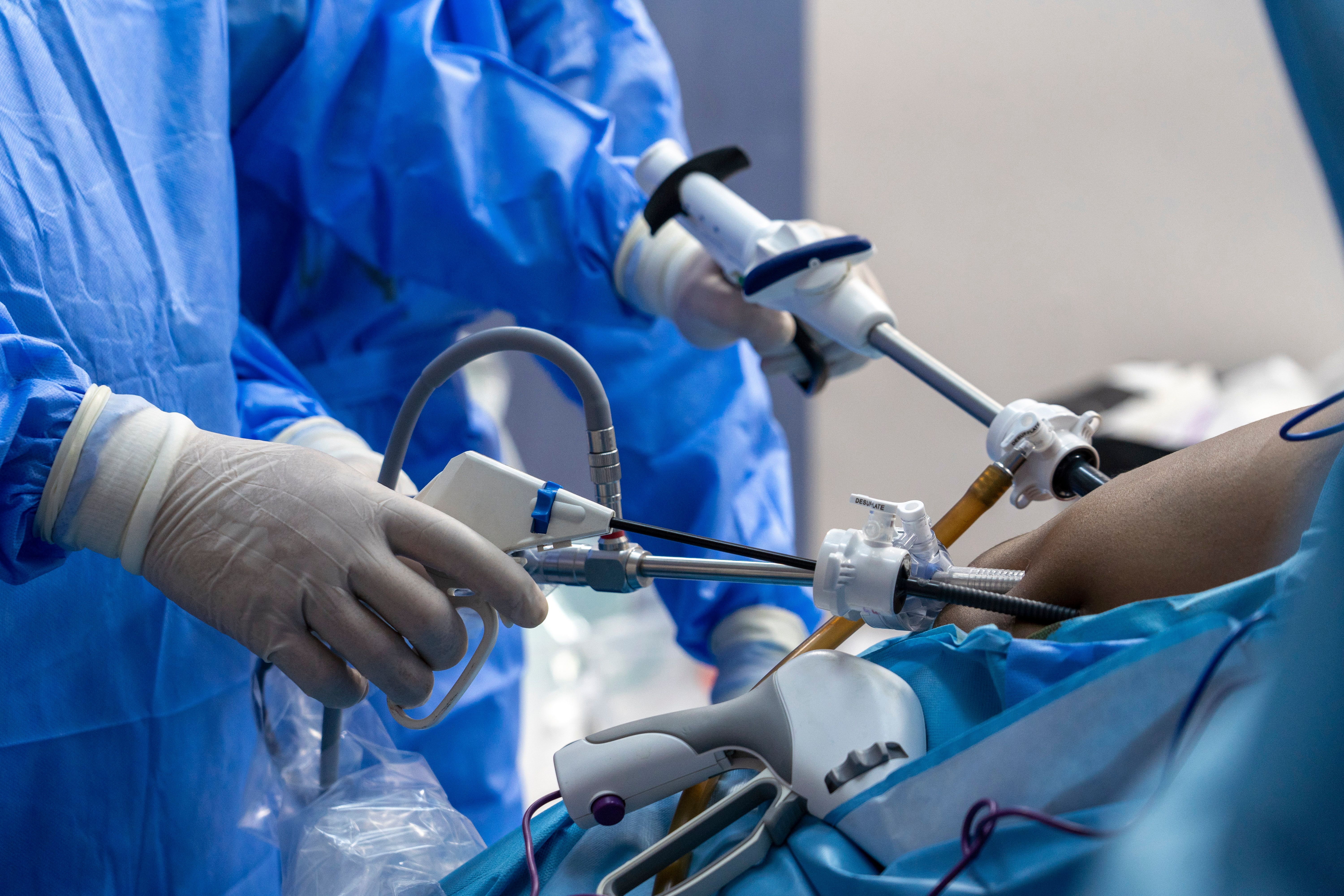
Myth: Bariatric Surgery Is the Easy Way Out
Many people believe that bariatric surgery is an easy solution to weight loss. However, this is far from the truth. The procedure requires a commitment to a new lifestyle, including dietary changes and regular exercise. Patients must be prepared for a significant lifestyle shift.
Fact: Bariatric Surgery Can Improve Health
The benefits of bariatric surgery extend beyond weight loss. It can lead to improvements in various health conditions, such as type 2 diabetes, hypertension, and sleep apnea. For many, these health benefits are a primary motivation for undergoing the procedure.

Preparing for Surgery
Preparation is key for a successful outcome. Patients need to undergo a thorough medical evaluation to ensure they are suitable candidates. This evaluation often includes nutritional counseling, psychological assessments, and a detailed discussion of the risks and benefits.
Myth: Anyone Can Have Bariatric Surgery
Not everyone is a candidate for bariatric surgery. Typically, candidates must have a body mass index (BMI) of 40 or higher, or a BMI of 35 with obesity-related health issues. A comprehensive assessment by a healthcare professional is essential.

Fact: The Bosphorus Area Offers Quality Care
The Bosphorus region is home to several reputable medical facilities offering bariatric surgery. Many of these institutions have experienced surgeons and state-of-the-art technology, ensuring high-quality care for international and local patients alike.
Post-Surgery Life
Life after bariatric surgery involves adhering to a new lifestyle. Patients must follow a specific diet, engage in regular physical activity, and attend follow-up appointments to monitor their progress. Support groups and counseling can also be beneficial.
Myth: Weight Loss Is Immediate
While some weight loss occurs soon after surgery, it is a gradual process. Patients typically see significant results within the first six months to a year. Consistent lifestyle changes are crucial for long-term success.

Fact: Support Is Essential
The journey to a healthier life doesn't end with surgery. Ongoing support from healthcare providers, family, and friends plays a vital role in maintaining weight loss and improving overall well-being. Many clinics offer comprehensive aftercare programs to aid in this transition.