How Endoscopic Sleeve Gastroplasty Works: A Comprehensive Guide


Understanding Endoscopic Sleeve Gastroplasty (ESG)
Endoscopic Sleeve Gastroplasty (ESG) is a minimally invasive weight loss procedure designed to help individuals achieve significant weight reduction. Unlike traditional weight loss surgeries, ESG does not require any incisions, making it a popular option for those seeking a less invasive solution. During the procedure, an endoscope is used to access the stomach through the mouth, allowing the surgeon to suture the stomach into a smaller sleeve-like shape.
The Procedure: Step-by-Step
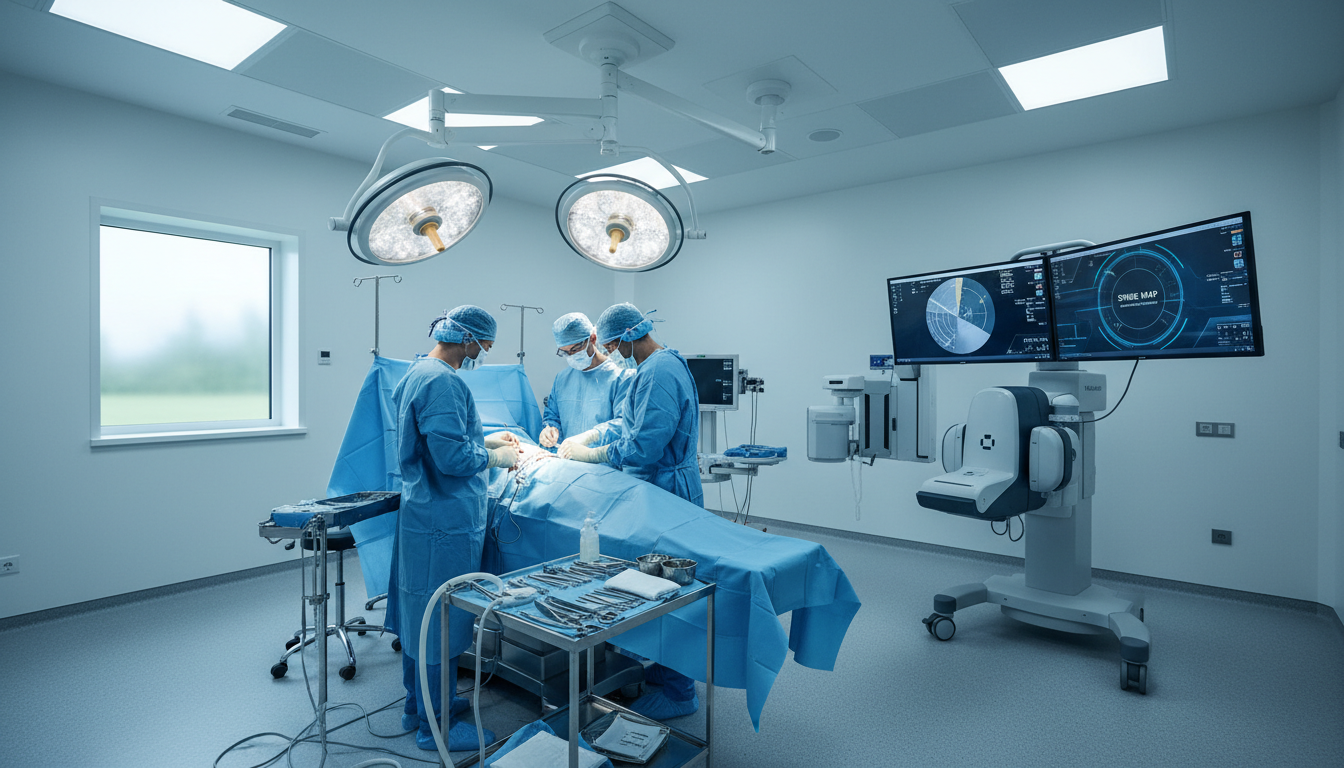
The ESG procedure begins with the patient under general anesthesia. A flexible tube with a camera, known as an endoscope, is inserted through the mouth and into the stomach. This allows the surgeon to view the stomach on a screen. Using a suturing device attached to the endoscope, the surgeon places a series of stitches to create a sleeve that reduces the stomach's size by about 70-80%.
The entire procedure usually takes about 60 to 90 minutes. Because it is performed endoscopically, there are no external cuts or scars, and patients typically experience less pain and a quicker recovery compared to traditional bariatric surgeries.
Benefits of ESG
ESG offers several benefits that make it an attractive option for weight loss. Some of the key advantages include:
- Minimally invasive: No external incisions are required.
- Reduced recovery time: Most patients can return to normal activities within a few days.
- Lower risk of complications: The procedure has fewer risks compared to more invasive surgeries.
- Effective weight loss: Patients can expect to lose 15-20% of their total body weight within a year.

Who Is a Candidate for ESG?
ESG is typically recommended for individuals with a body mass index (BMI) of 30 or higher who have not been successful with traditional weight loss methods. It is also suitable for those who prefer a non-surgical approach to weight loss. However, patients must be committed to making long-term lifestyle changes, including diet and exercise, to achieve the best results.
Potential Risks and Considerations
While ESG is generally safe, it is important to be aware of potential risks and considerations. Some patients may experience nausea, vomiting, or abdominal discomfort following the procedure. In rare cases, there may be complications such as bleeding or infection. Consulting with a qualified healthcare provider can help determine if ESG is the right option and ensure that any risks are minimized.

Recovery and Post-Procedure Care
After undergoing ESG, patients are usually monitored for a short period before being discharged. A liquid diet is recommended for the first few weeks, gradually progressing to solid foods as the stomach heals. Regular follow-up appointments with the healthcare provider are essential to monitor progress and address any concerns.
Adopting a healthy lifestyle is crucial for maintaining weight loss after ESG. This includes a balanced diet, regular exercise, and ongoing support from healthcare professionals. Many patients find that ESG helps them kickstart their weight loss journey and achieve sustainable results.
Conclusion: Is ESG Right for You?
Endoscopic Sleeve Gastroplasty offers a promising solution for those struggling with obesity. Its minimally invasive nature, combined with effective weight loss results, makes it an appealing choice for many. However, it is essential to consult with a healthcare provider to determine if ESG is the most suitable option based on individual health needs and goals.