Endoscopic Sleeve for Weight Loss: How It Works and What to Expect


Understanding Endoscopic Sleeve Gastroplasty
Endoscopic Sleeve Gastroplasty (ESG) is a minimally invasive weight loss procedure that has been gaining popularity due to its effectiveness and reduced recovery time. Unlike traditional surgical methods, ESG is performed using an endoscope, which is a flexible tube inserted through the mouth down to the stomach. This technique allows for the stomach size to be reduced without any external incisions.
The procedure involves suturing the stomach to create a sleeve-like structure, which significantly decreases its volume. As a result, patients feel fuller faster and consume less food overall. This method is not only less invasive but also comes with fewer risks compared to other bariatric surgeries.
How the Procedure Works
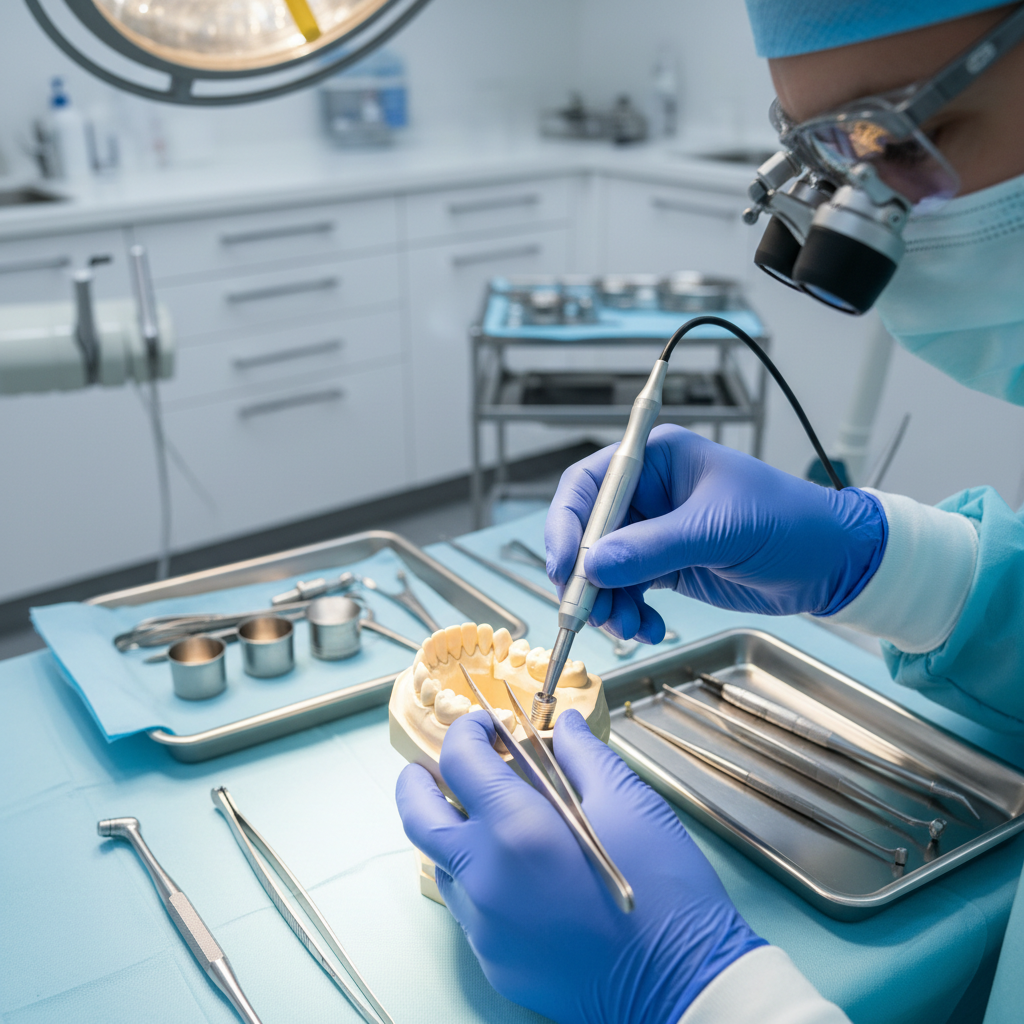
ESG is performed under general anesthesia and typically takes about an hour to complete. During the procedure, the endoscope is guided into the stomach, where a series of sutures are placed to reduce its size. The goal is to create a tube-like shape, similar to a surgical sleeve gastrectomy, but without the need for removing any part of the stomach.
The procedure is usually done on an outpatient basis, meaning most patients can go home the same day. One of the major advantages of ESG is the minimal recovery time, allowing patients to resume their normal activities much sooner than with traditional surgery.
What to Expect After the Procedure
Post-procedure, patients can expect a relatively quick recovery. Most people experience some discomfort, nausea, or sore throat, but these symptoms typically subside within a few days. It's important to follow the doctor's dietary guidelines closely to ensure optimal recovery and success.
The diet after ESG is usually liquid-based for the first two weeks, gradually progressing to pureed foods, and then to solid meals. This gradual transition helps the stomach adjust to its new size and ensures that patients get accustomed to their new eating habits.

Long-term Lifestyle Changes
While ESG is an effective tool for weight loss, it is crucial to adopt long-term lifestyle changes to maintain the results. This includes sticking to a balanced diet, engaging in regular physical activity, and attending follow-up appointments with healthcare providers.
Success with ESG largely depends on the patient's commitment to these changes. Support from nutritionists and weight loss specialists can be invaluable in helping patients navigate their new lifestyle and achieve their weight loss goals.
Potential Risks and Considerations
As with any medical procedure, there are potential risks involved with ESG. These may include bleeding, infection, or adverse reactions to anesthesia. However, the risk profile for ESG is generally lower than that of traditional bariatric surgeries.
It's essential for individuals considering this procedure to consult with a qualified healthcare professional to discuss potential risks and benefits. A thorough evaluation will help determine if ESG is the right option based on the patient’s health status and weight loss goals.

Is Endoscopic Sleeve Gastroplasty Right for You?
ESG is typically recommended for individuals with a body mass index (BMI) of 30 or higher, who have not achieved significant weight loss through diet and exercise alone. It may also be considered for those who are not suitable candidates for traditional surgery due to health concerns.
This procedure offers a promising alternative for those seeking a less invasive method to achieve significant weight loss. As always, a detailed discussion with a healthcare provider is crucial to making an informed decision.