Comparing Sleeve Gastroplasty to Traditional Bariatric Surgery


Understanding Sleeve Gastroplasty and Traditional Bariatric Surgery
When considering weight loss surgery, two popular options often come into focus: sleeve gastroplasty and traditional bariatric surgery. Both procedures offer significant benefits for those struggling with obesity, but they differ in approach, recovery time, and potential outcomes.

What is Sleeve Gastroplasty?
Sleeve gastroplasty, also known as endoscopic sleeve gastroplasty (ESG), is a minimally invasive procedure designed to reduce the size of the stomach. This procedure involves using an endoscope to place sutures in the stomach, creating a smaller, sleeve-shaped stomach. The reduced stomach size limits food intake and promotes weight loss.
One of the major advantages of sleeve gastroplasty is its non-surgical nature. As it requires no incisions, the risk of complications is significantly lower compared to traditional surgery. Additionally, the recovery time is often shorter, allowing patients to return to their daily activities more quickly.
Traditional Bariatric Surgery Explained
Traditional bariatric surgery encompasses several surgical procedures, including gastric bypass and sleeve gastrectomy. These surgeries are more invasive, involving incisions and often the removal or rerouting of parts of the digestive system. The primary goal is to restrict food intake and, in some cases, alter the digestive process to promote weight loss.
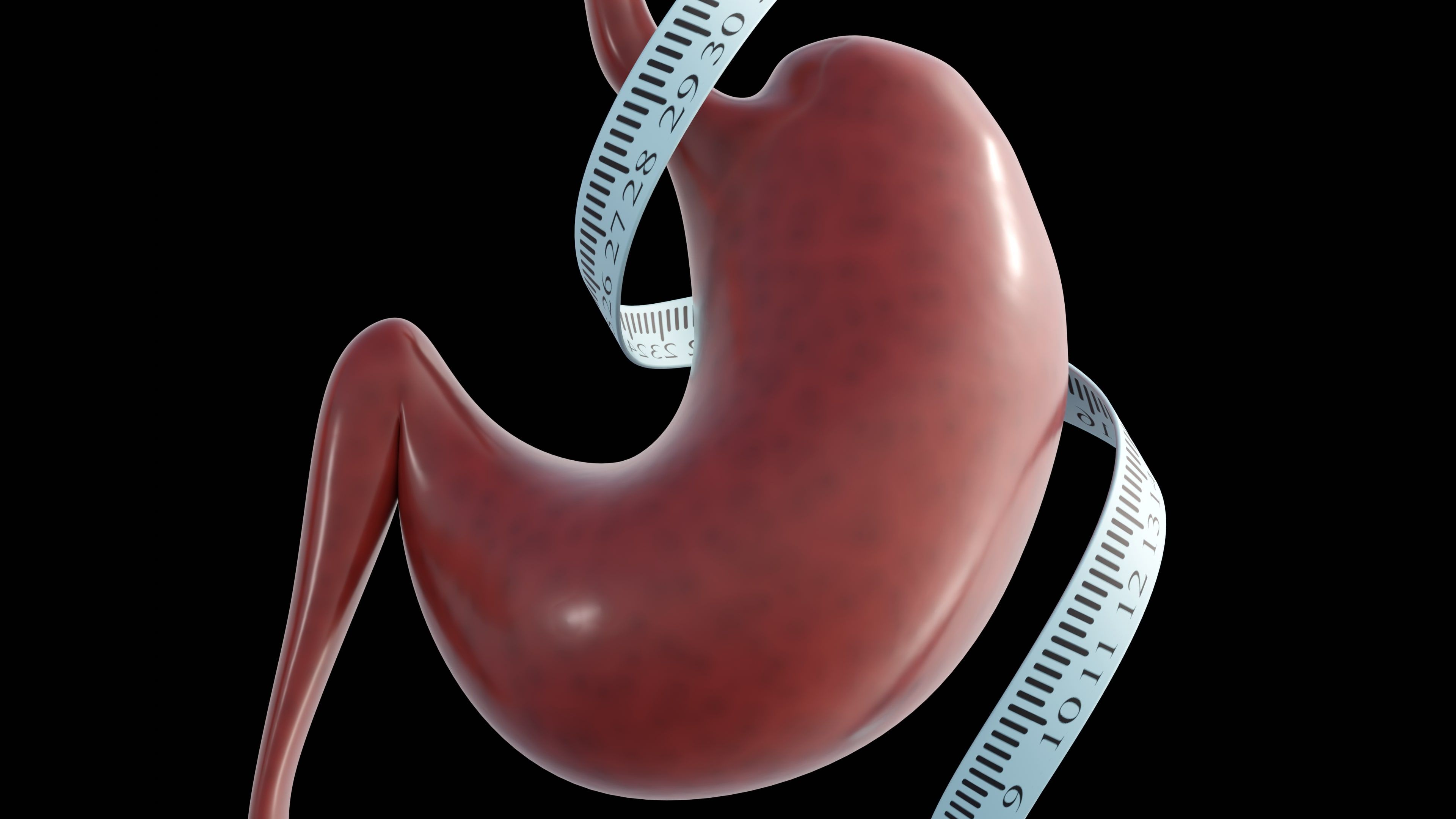
While traditional surgery typically results in more substantial weight loss, it carries a higher risk of complications and requires a longer recovery period. Patients often need to stay in the hospital for a few days post-surgery and may take several weeks to fully recover.
Comparing Effectiveness
When it comes to effectiveness, both sleeve gastroplasty and traditional bariatric surgery have shown positive results in terms of weight loss. However, the extent of weight loss tends to be greater with traditional bariatric procedures. This is due to the more drastic alteration of the stomach and digestive system.
- Sleeve gastroplasty: Typically results in 15-20% total body weight loss.
- Traditional bariatric surgery: Can result in 25-35% total body weight loss.
Risks and Considerations
Both types of procedures carry risks, though they differ in nature and severity. Sleeve gastroplasty has fewer risks due to its minimally invasive nature, but it may require follow-up procedures if the sutures loosen over time. Traditional bariatric surgery, while more effective, poses risks such as infection, nutritional deficiencies, and complications from anesthesia.

Which Option is Right for You?
Choosing between sleeve gastroplasty and traditional bariatric surgery depends on various factors, including your current health status, weight loss goals, and personal preferences. Consulting with a healthcare professional is crucial to make an informed decision. They can provide insights into which procedure may best suit your individual needs and lifestyle.
Ultimately, both sleeve gastroplasty and traditional bariatric surgery offer viable paths to weight loss. By understanding the differences and similarities, you can choose the option that aligns with your health objectives and expectations.