Common Misconceptions About Endoscopic Sleeve Gastroplasty: Expert Insights


Understanding Endoscopic Sleeve Gastroplasty
Endoscopic Sleeve Gastroplasty (ESG) is a minimally invasive weight-loss procedure that has gained popularity in recent years. However, along with its rise in prominence, several misconceptions have also emerged. Here, we aim to clear up some of these misunderstandings by providing expert insights into what ESG truly entails.
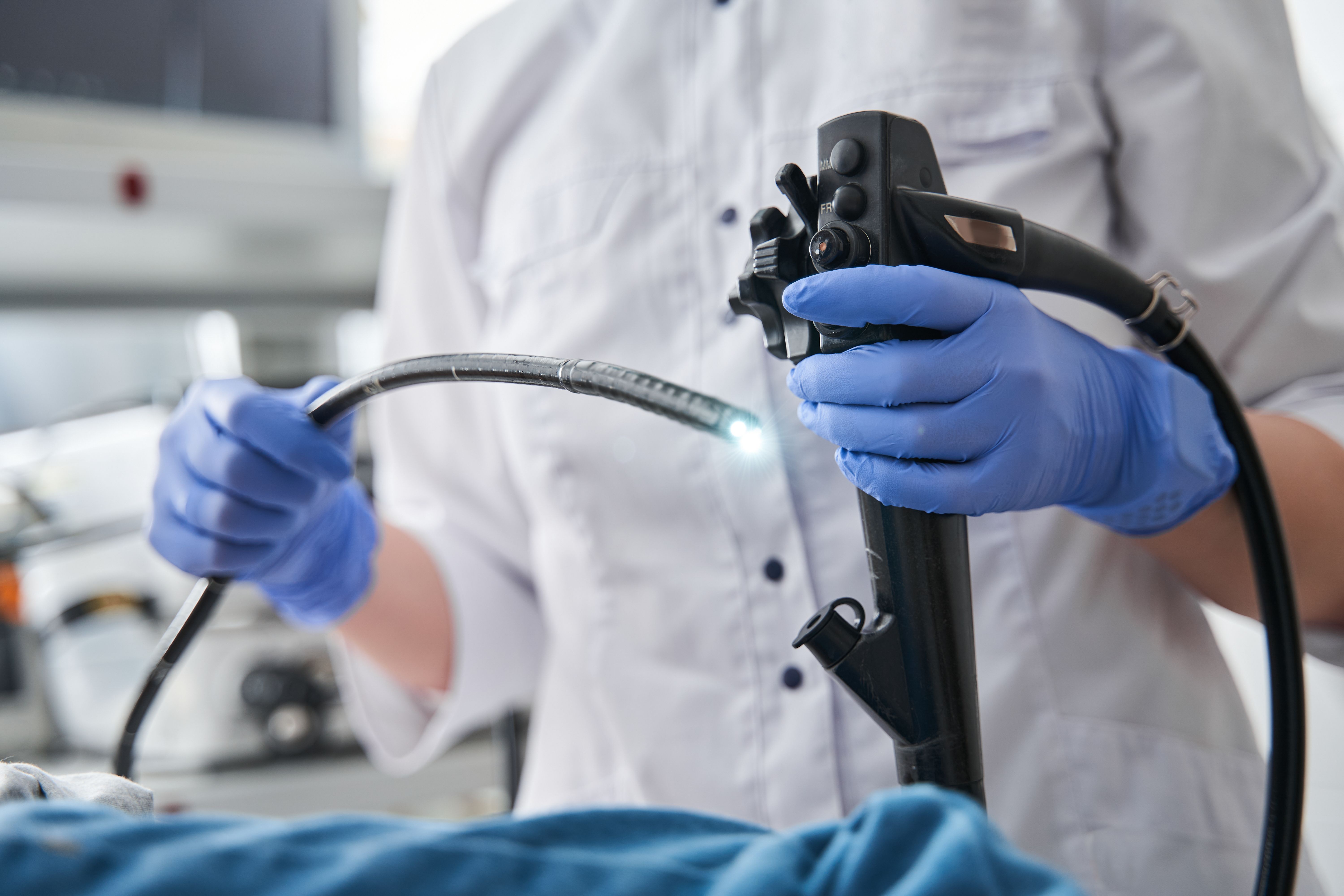
ESG Is Not the Same as Surgical Sleeve Gastrectomy
One common misconception is that ESG is identical to the surgical sleeve gastrectomy. While both aim to reduce stomach size, ESG is performed via an endoscope through the mouth, requiring no external incisions. This results in a shorter recovery time and fewer complications compared to traditional surgery.
The endoscopic approach involves suturing the stomach from the inside to create a sleeve-like shape, significantly reducing its capacity. This makes it a less invasive option for those who meet the criteria.

It's More Than Just a Quick Fix
Another myth is that ESG is a quick fix for obesity. In reality, it is part of a comprehensive weight-loss program that includes dietary changes, exercise, and lifestyle adjustments. Patients need to commit to long-term changes to achieve and maintain results.
Healthcare providers emphasize the importance of a support system and ongoing follow-up care to ensure patients stay on track with their weight-loss goals.

Not Everyone Is a Candidate for ESG
ESG is not suitable for everyone. Candidates are typically those with a Body Mass Index (BMI) of 30 or higher who have not succeeded with traditional weight-loss methods. An initial consultation with a healthcare provider is crucial to determine if ESG is the right option.
- Individuals must be evaluated for medical history and current health status.
- Psychological readiness for lifestyle changes is also assessed.
The Results Are Not Instantaneous
Some believe that the results of ESG are immediate. However, weight loss occurs gradually over time. Patients often see a significant reduction in weight within the first year, but ongoing lifestyle changes are essential for maintaining the loss.
This gradual process allows the body to adjust, reducing the risk of complications associated with rapid weight loss.
Understanding the Risks Involved
While ESG is less invasive, it is not without risks. Potential complications, though rare, can include bleeding, infection, or stomach perforation. It is essential for patients to discuss these risks with their healthcare provider to make an informed decision.
Despite these risks, ESG offers a safer alternative to more invasive surgeries, with a quicker recovery time and fewer side effects.

Conclusion: Separating Fact from Fiction
Endoscopic Sleeve Gastroplasty offers a promising option for weight loss, but it is crucial to separate fact from fiction. By understanding what ESG truly involves, patients can make informed decisions regarding their health and weight-loss journey.
Consultation with medical professionals and adherence to a comprehensive weight-loss plan are key components of successful outcomes in ESG.